
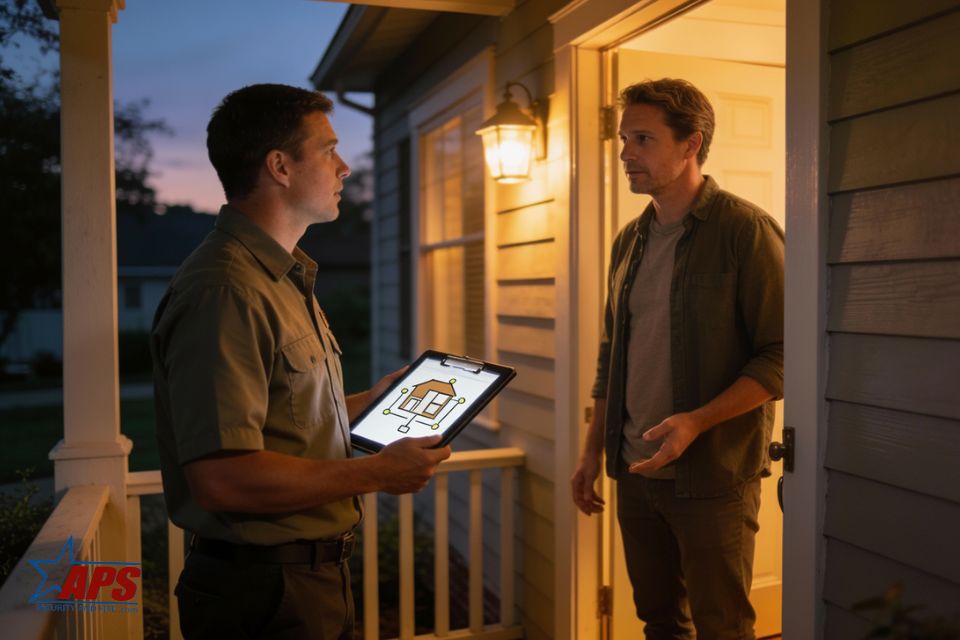
A reliable home alarm system should make you feel safer, not more stressed. But when false alarms happen, they can be disruptive, frustrating, and even costly. In many areas, repeated false alarms can lead to fines or delayed emergency response times. The good news is that most false alarms are preventable with a bit of regular attention.
Home alarm maintenance is one of the simplest ways to reduce the chance of false alerts and keep your system operating smoothly. By checking equipment, updating user settings, and making a few smart adjustments, you can avoid unnecessary triggers and improve your home alarm’s overall performance.
APS Security and Fire helps Central Florida homeowners stay in control of their home alarm systems by offering practical maintenance guidance to prevent stress and misfires.
Why False Alarms Happen
False alarms can stem from several preventable issues. One of the most common is user error, such as forgetting the disarm code or failing to close a door completely. Pets, loose window sensors, or even a drifting curtain can trigger motion sensors if they’re not properly calibrated.
Other problems include dead batteries, outdated firmware, and poor sensor placement. Environmental factors, such as humidity or electrical interference, can also cause false readings. Understanding what causes these issues helps you take steps to prevent them.
Simple Home Alarm Maintenance Steps
To avoid false alarms, start with these home alarm maintenance basics:
- Inspect and test sensors regularly to ensure they are clean, secure, and functioning correctly. Dust, insects, or loose wires can interfere with accuracy.
- Replace batteries in wireless components as needed. Low battery alerts should never be ignored, as they often precede false alarms.
- Update your system’s software or firmware if it connects to a smart home network. Updates often fix bugs or improve performance.
- Review user access codes and remove any outdated ones. Make sure everyone in the household knows how to arm and disarm the system.
- Check for environmental triggers near motion sensors, such as fans, heat vents, or hanging objects. Reposition or adjust sensitivity settings if necessary.
- Test the system monthly using your control panel’s built-in test feature. This ensures all zones are working as expected and alerts you to potential issues.
These steps take just a few minutes but can save you from the stress of a 3 a.m. wake-up call or an unnecessary visit from emergency services.
Prevent Problems Before They Start with APS Security and Fire
Consistent home alarm maintenance helps you catch minor issues before they turn into false alarms or total system failure. If you’re experiencing frequent alerts, it may be time to reassess your setup. Adding features such as pet-immune sensors, smarter motion detection, or remote access can make the system better suited to your lifestyle.
Your home alarm should work for you, not against you. With over 35 years of experience in Central Florida, APS Security and Fire provides customized maintenance tips, system upgrades, and troubleshooting support to help you get the most from your system.
Contact APS Security and Fire today to ensure your home alarm stays accurate, responsive, and ready when you need it most.