
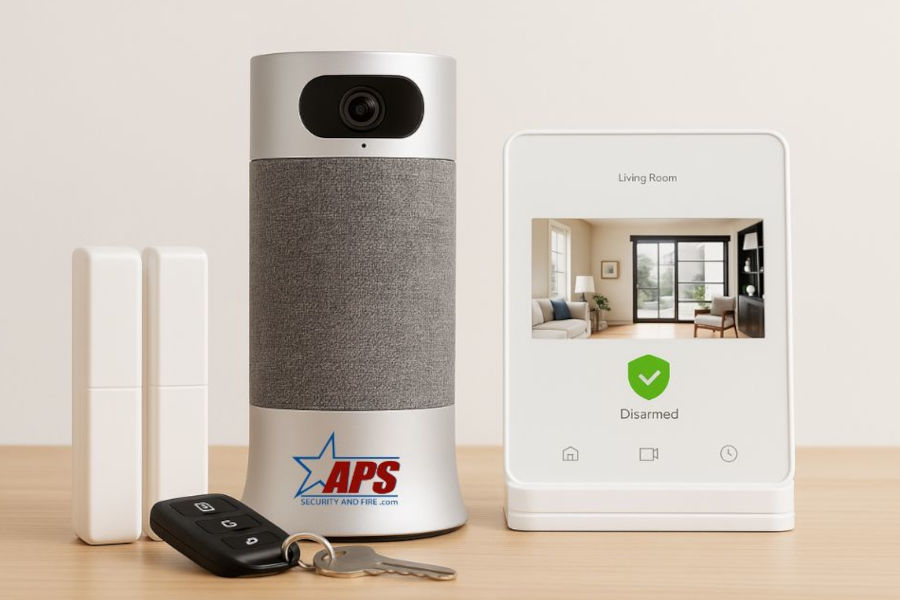
Wireless security systems have become increasingly popular among homeowners and businesses looking for a modern, flexible way to protect their properties. With fast installation and smart technology integration, these systems promise convenience and control. However, like any solution, wireless security has both advantages and potential limitations.
APS Security and Fire breaks down the benefits, drawbacks, and key considerations to help Central Florida property owners determine whether a wireless system is the right choice for their needs.
Where Wireless Security Excels
One of the biggest benefits of wireless security is how easy and fast it is to install. Because these systems don’t require extensive wiring, they are an excellent option for both renters and property owners who want to avoid drilling holes or altering walls. Many wireless systems can be installed quickly and repositioned as needed, making them ideal for changing layouts or temporary setups.
Wireless technology also enables remote access, allowing users to monitor live video feeds, control alarm settings, and receive real-time alerts through a smartphone or tablet. This level of access gives homeowners greater flexibility and peace of mind, whether they’re at work or on vacation.
In addition, wireless systems are often compatible with smart home technology. Features like automated lighting, remote door locks, and thermostat control can be connected to create a more comprehensive security experience. As technology continues to evolve, wireless systems are likely to become even more robust and user-friendly.
Potential Drawbacks to Consider
Despite their convenience, wireless security systems are not without limitations. One concern is signal reliability. Since these systems rely on Wi-Fi or cellular networks, connectivity issues can interrupt service. Homes or businesses with poor internet strength or heavy electronic interference may experience delayed alerts or dropped signals. It’s important to ensure your network can support a wireless system before installing one.
Battery life is another factor. Unlike hardwired systems, many wireless components run on batteries that need to be checked and replaced regularly. If a sensor or camera loses power and goes unnoticed, it could leave the property vulnerable until the issue is resolved.
There are also security concerns specific to wireless systems. Without proper encryption and network security, some systems may be more susceptible to hacking attempts. However, working with a trusted provider that offers encrypted communication and regularly updates its software can significantly reduce this risk.
Choosing What Works for You
Whether wireless security is the right fit depends on the specific needs of your property, lifestyle, and budget. For smaller homes, rental properties, or tech-savvy users looking for smart home integration, wireless systems offer unmatched flexibility. For larger buildings or properties that require long-term, high-volume surveillance, a hybrid or hardwired solution may be more suitable.
Discussing your goals with a professional security provider is the best way to determine the most effective system for your space.
Explore Wireless Security with APS Security and Fire
Wireless security provides a modern approach to safety, but selecting the right system requires careful planning and expert guidance. Not all wireless systems are created equal, and understanding the differences in equipment, reliability, and monitoring features is essential to making a decision that truly protects your property.
APS Security and Fire has over 35 years of experience helping Central Florida property owners find the best solutions for their needs. Our team carefully evaluates each property to design a system that balances convenience, performance, and long-term value without compromising on security.
Contact our team today to learn more about wireless security options and discover a system that fits your lifestyle and your property.